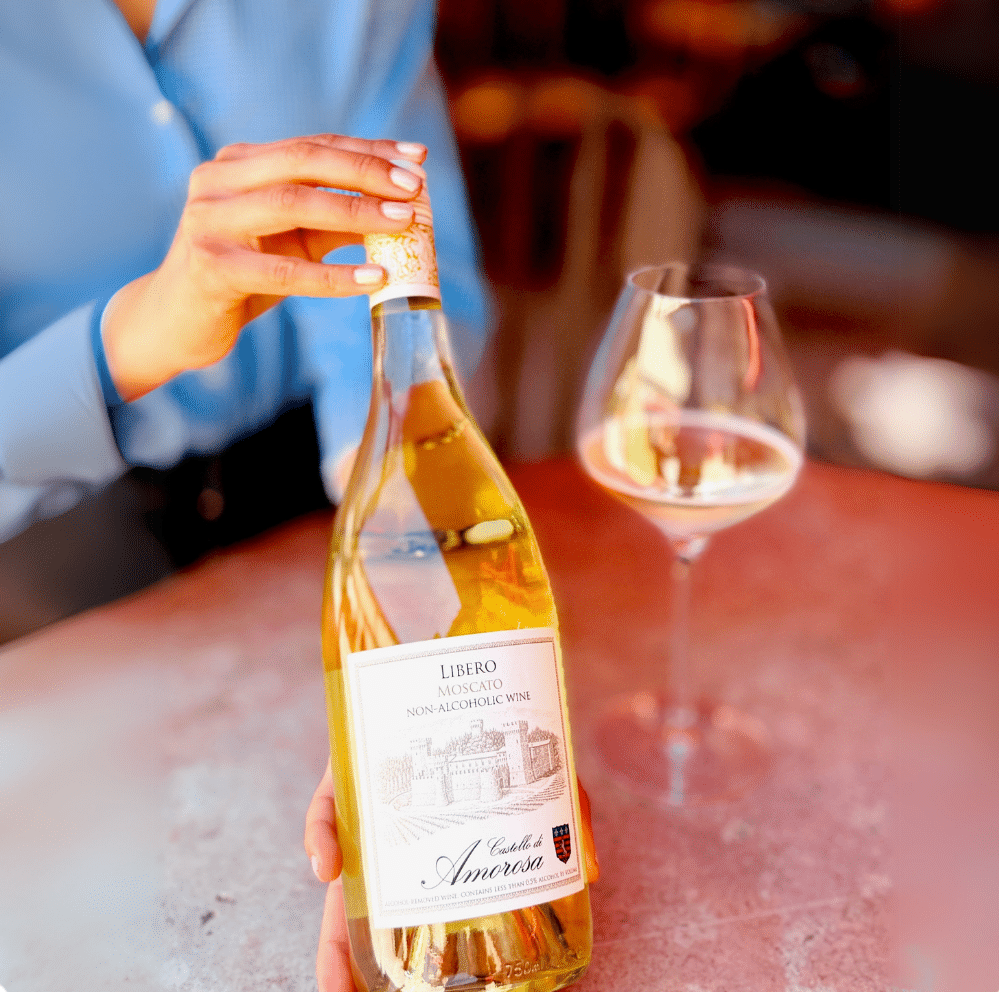
Wine tasting might seem like an intimidating experience reserved for sommeliers or wine enthusiasts, but the truth is, anyone can learn to appreciate and enjoy wine. Whether you’re visiting Castello di Amorosa’s Napa Valley tasting room or exploring bottles at home, this guide, designed for beginners, will help you taste wine like a pro. Let’s begin to learn how to properly taste wine with these steps:
Step 1: Choose Your Wine
Before you begin, decide on the type of wine you’d like to taste. As a beginner, we’ll teach you how to taste good wine properly. You should first consider starting with a variety of wines – a crisp Pinot Grigio, a robust Napa Valley Cabernet Sauvignon, or a light and fruity Morning Dew Ranch Vineyard Pinot Noir. This variety of wines will help you identify your preferences.
Step 2: Set the Scene
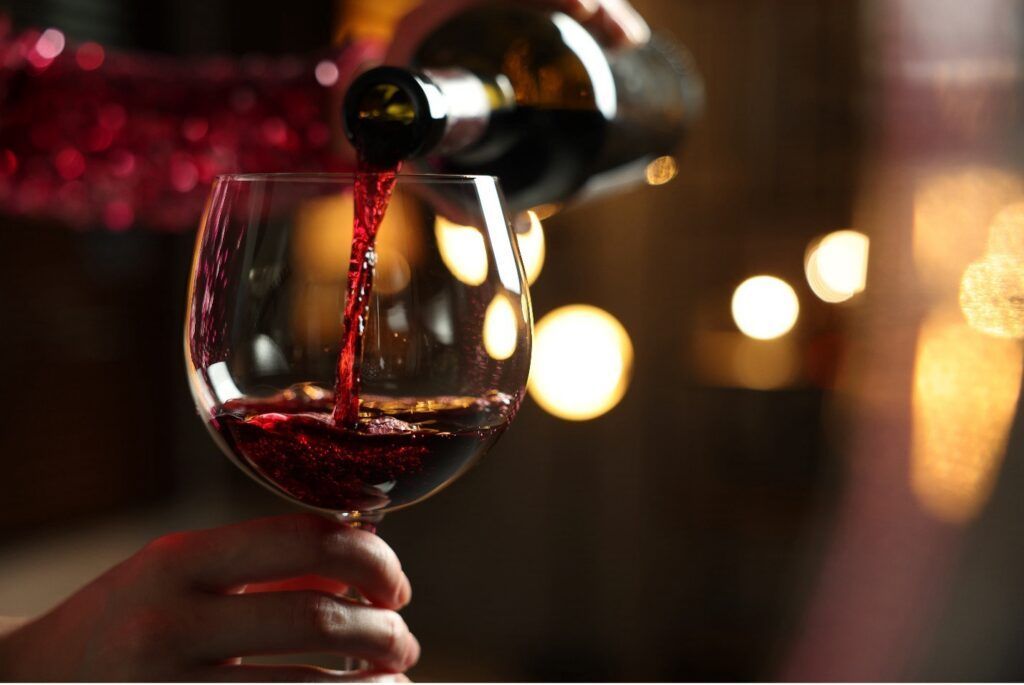
The environment plays a significant role in wine tasting. Here are a few tips:
- Lighting : Ensure the area is well-lit so you can observe the wine’s color.
- Glasses : Use clear wine glasses to better appreciate the wine’s appearance and aroma.
- Temperature : Serve white wines chilled. For wines like Pinot Grigio, you may want to serve at 45 to 49°F and allow the wine to warm up in the glass. Chill for about 1.5 hours. For lighter reds , serve at 54–60°F. For big reds , serve at 60–65°F.
- Neutral Palate : Avoid strong smells to keep your senses focused.
Step 3: Observe the Wine
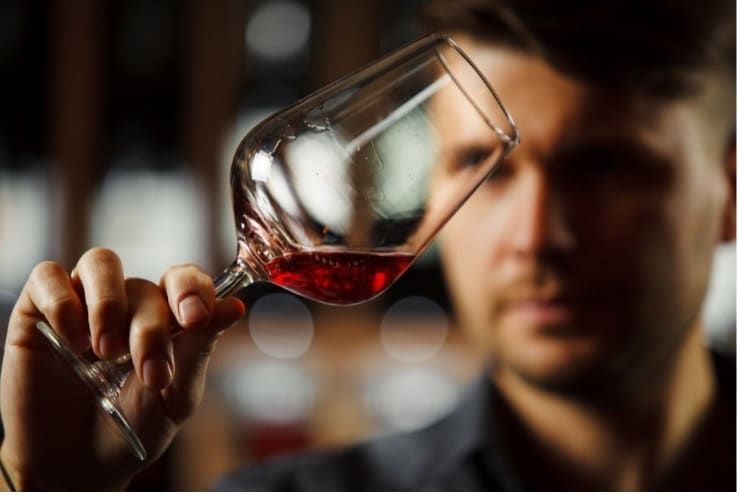
Pour a small amount of wine into your glass and take a moment to look at it:
- Color : Is it pale or deep? Clear or cloudy?
- Legs : Swirl the wine—thicker legs often indicate higher alcohol.
Step 4: Smell the Wine
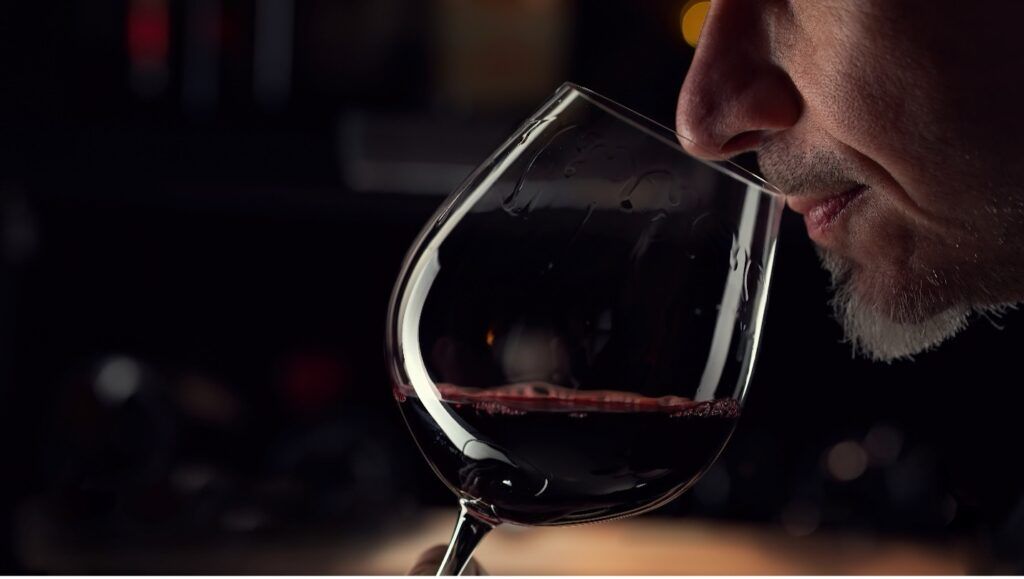
Swirl the wine, then:
- Take a whiff : Inhale deeply.
- Identify aromas : Fruits, spices, or earthy tones.
If you like expressive aromatics, try the Morning Dew Ranch Pinot Noir.
Step 5: Taste the Wine
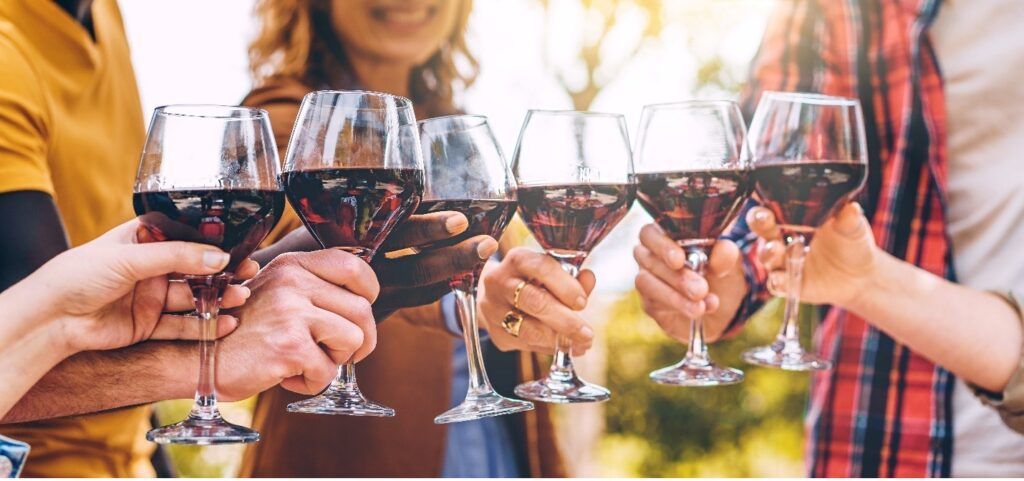
- Take a sip : Let it coat your tongue.
- Hold : Experience texture and flavor.
- Identify flavors : Sweet, acidic, tannic, etc.
- Swallow or spit : Repeat and compare.
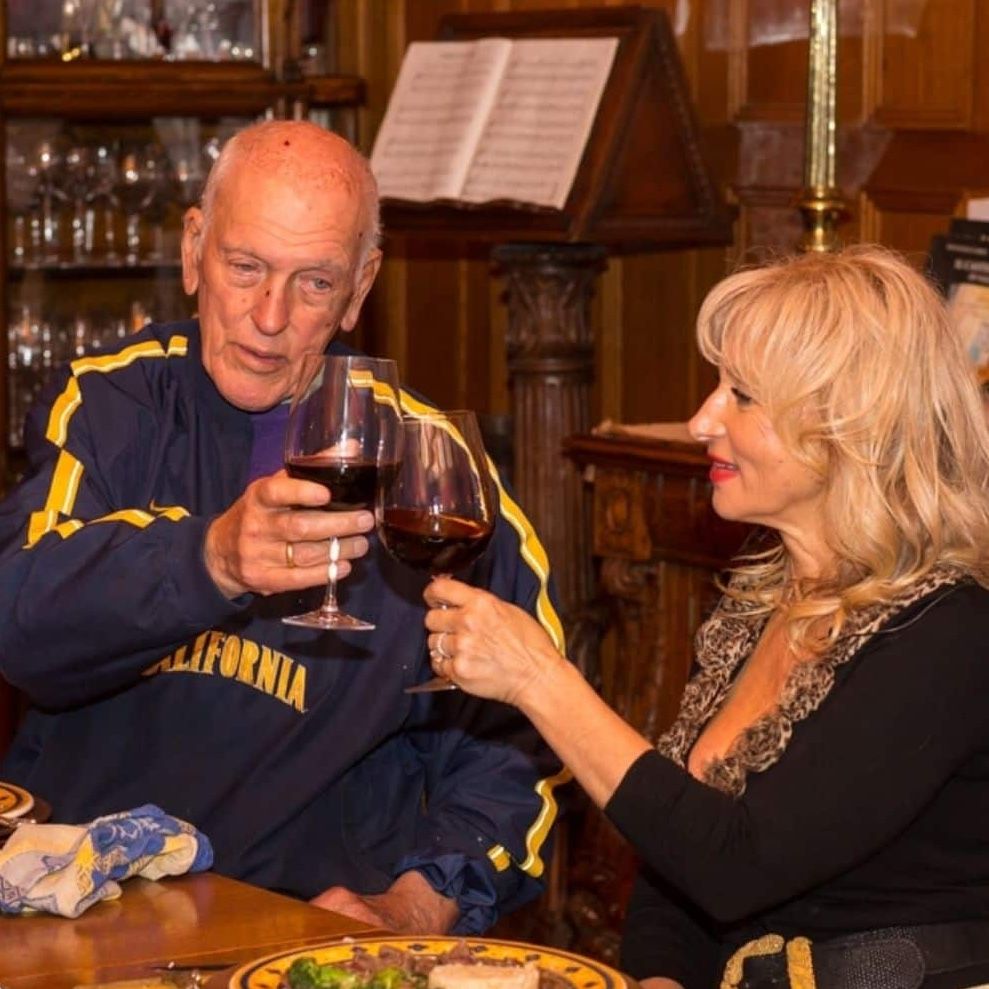
Try this with our 2018 Napa Valley Cabernet Sauvignon.
Step 6: Record Your Impressions
Keep notes on each wine—name, vintage, aromas, and taste. Over time, this helps refine your palate.
Step 7: Pair with Food
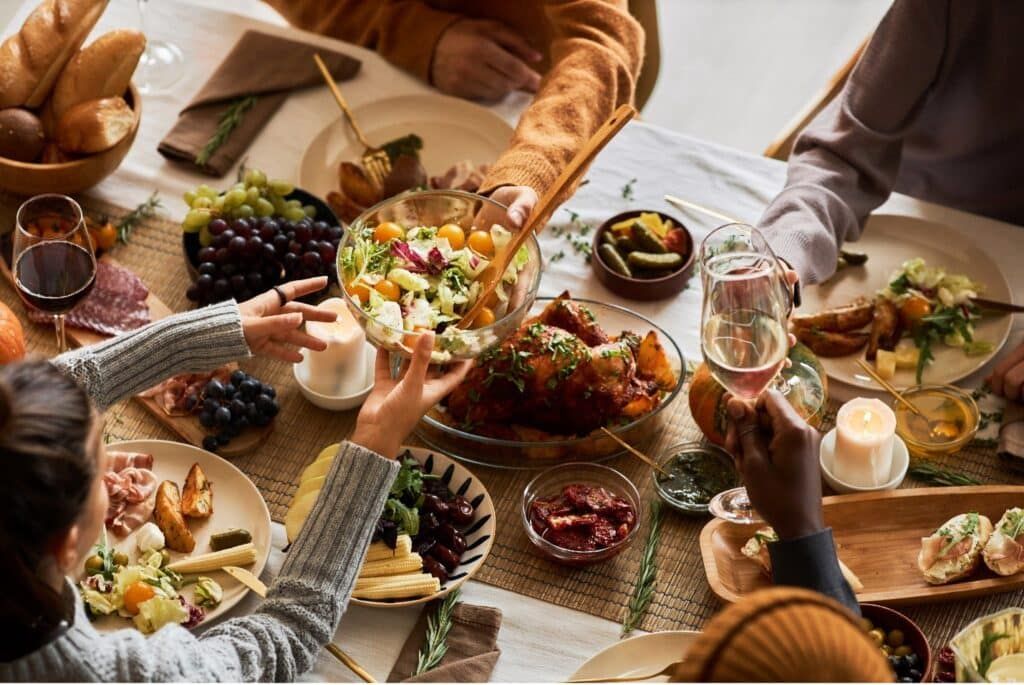
- White wine : Seafood, poultry, creamy dishes.
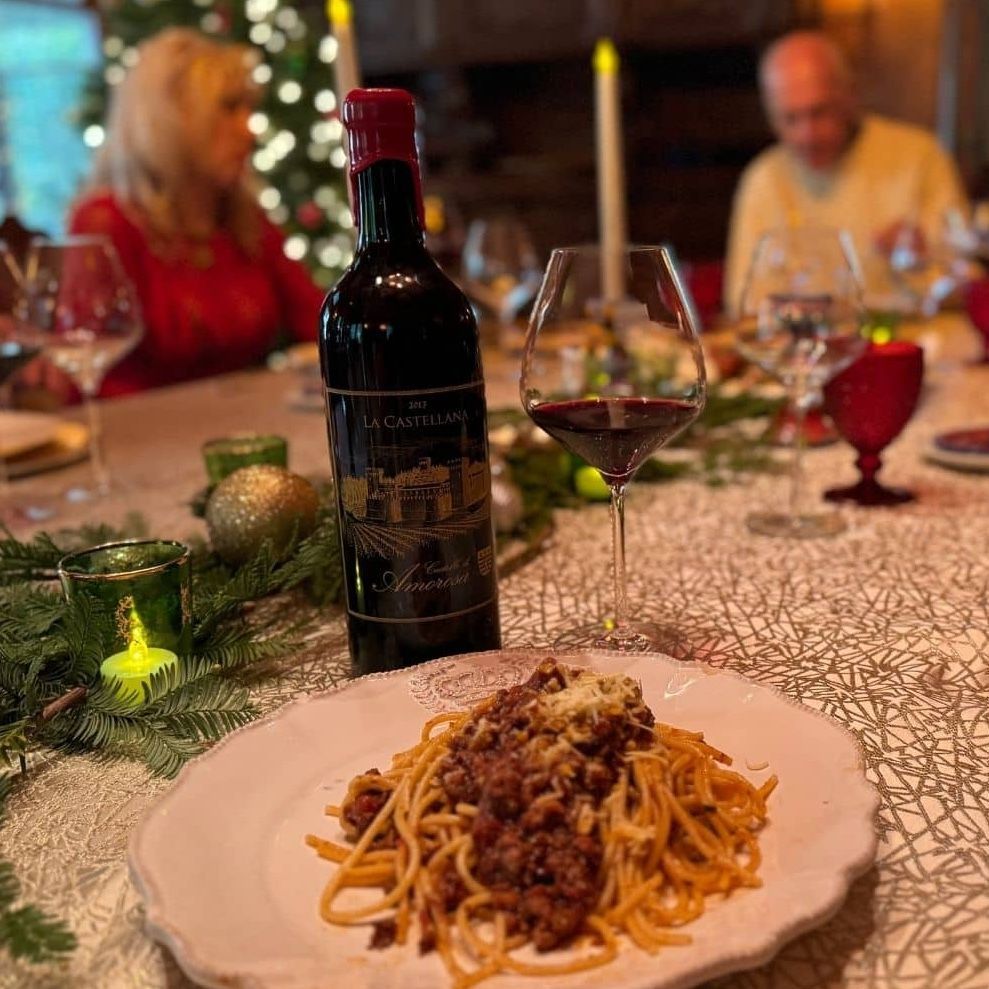
- Red wine : Red meat, stews, aged cheese.
- Sparkling wine : Salty or fried foods.
Final Tips for Beginners
- Stay open-minded : Flavors evolve with time.
- Ask questions : Learn from experts.
- Practice : The more you taste, the better you get.
Wine tasting is an enjoyable journey that combines art, science, and personal preference. By following these steps, you’ll build a foundation for appreciating wine and discovering your unique palate. So, open that bottle of your favorite Castello di Amorosa wine , grab a glass, take a sip, and let your wine adventure begin!