If you’ve explored the Grand Barrel Room during a tour and tasting at the Castello, you may have noticed some unique additions—large, concrete, egg-shaped fermentation tanks. These vessels are used to ferment a special selection of Castello’s wines. :contentReference[oaicite:0]{index=0}
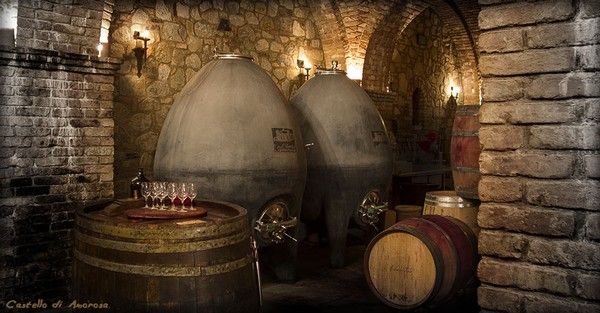
Concrete offers a compelling alternative to oak or stainless steel. Without imparting oak flavors, it allows wines to retain their natural fruit character and better express the vineyard’s terroir.
These concrete eggs combine ancient and modern techniques. Historically, wines were fermented in clay amphorae. The egg shape enhances natural convection during fermentation, as carbon dioxide circulation gently stirs the wine and lees.

Originally, Castello used these tanks for select aromatic wines such as Ferrington Vineyard Dry Gewürztraminer and Tyla’s Point Pinot Bianco. These varietals benefit from enhanced floral aromatics and minerality achieved through this method.

More recently, a limited Chardonnay called “La Rocca” has been produced using concrete fermentation. Without oak influence, the vineyard’s character takes center stage while still benefiting from lees aging, which adds creaminess and depth.
This approach demonstrates how traditional craftsmanship and innovation can come together to elevate winemaking.
Next time you visit the Castello, keep an eye out for these distinctive tanks—they are a key part of what makes these Italian-style wines so unique.