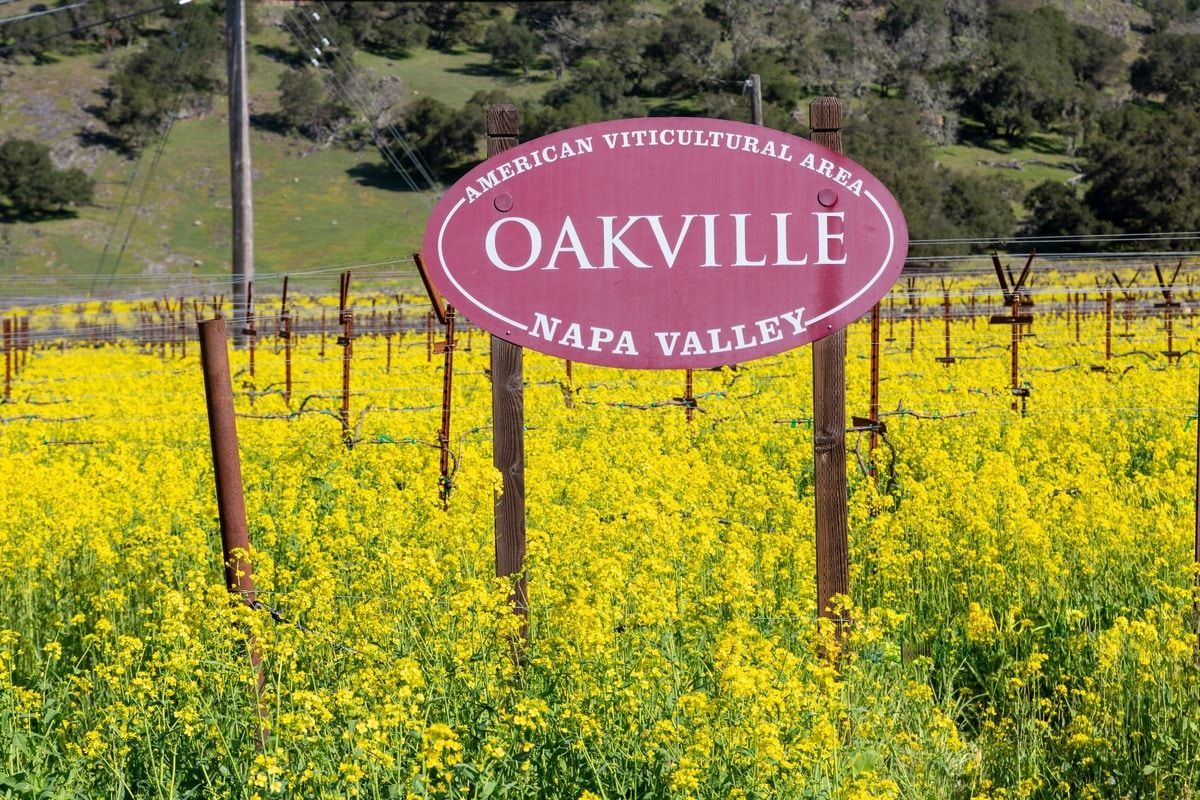
On Hallowed Ground
Finesse and attention to detail align to make the Oakville AVA truly special. History and mystique form the backbone of this famed growing region. A unique combination of soil, topography, and climate creates an environment that makes Oakville a true viticultural treasure. Napa Valley Oakville wineries are pure and transparent, expressing the essence of each unique site with subtle nuance.
A History of Excellence
In the heart of Napa Valley lies Oakville, once a steam train stop in the late 1800s, named for the dense groves of native oak trees that covered the land. Today, Oakville is synonymous with excellence in winemaking.
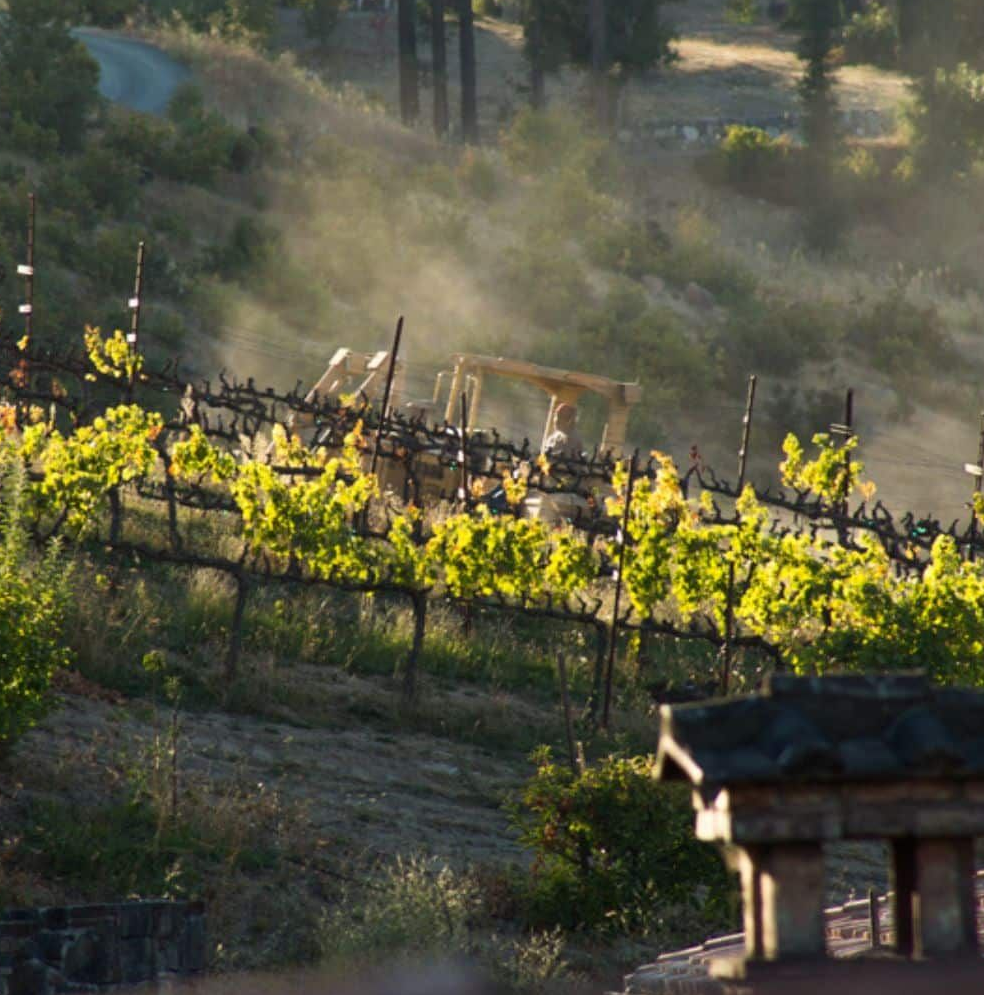
H. W. Crabb planted the first vineyard here in 1868, establishing 240 acres near the Napa River known as To Kalon. By 1877, he was producing 50,000 gallons of wine annually.
In 1903, the United States Department of Agriculture established “Oakville Station,” an experimental vineyard now operated by UC Davis. This site has been critical for viticulture research, including studies on clones, rootstocks, irrigation, and vineyard management.
The Oakville AVA spans approximately 5,700 acres, with 5,000 acres planted. Its soils are primarily gravelly and sandy, with some clay and sandy loam. It was officially designated as a sub-appellation of Napa Valley in 1993.
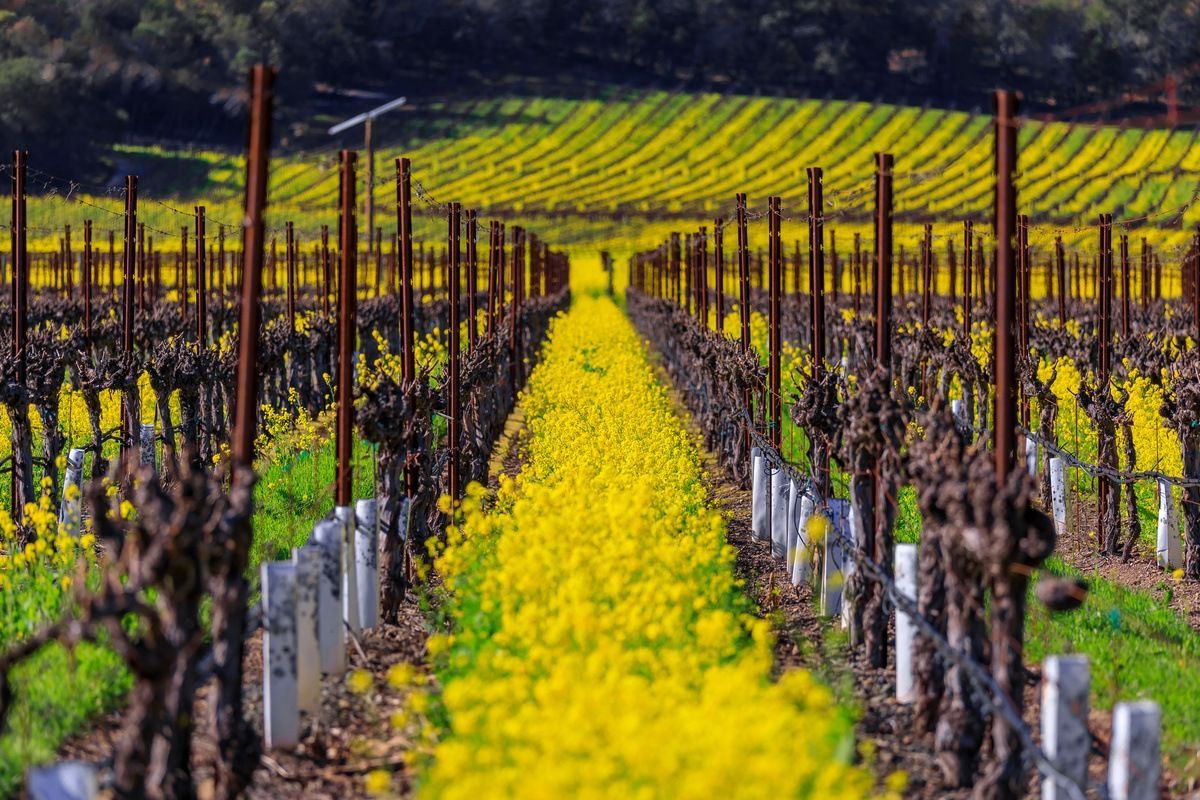
Oakville AVA: Cult Status
Oakville’s reputation as a world-class growing region is driven by its concentration of exceptional wineries and its production of highly sought-after cult wines. The region’s meticulous vineyard practices and ideal terroir contribute to its global acclaim.
Producers focus primarily on Cabernet Sauvignon and Merlot, along with smaller plantings of Petit Verdot, Cabernet Franc, Zinfandel, Sauvignon Blanc, and Chardonnay. Bordeaux-style blends are especially prominent, often rivaling the finest wines of the Old World.
Oakville wines are known for their balance—combining lively acidity with rich fruit. Unlike many Napa wines that lean heavily fruit-forward, Oakville expressions tend to be more complex and structured, with notes of blackberry, boysenberry, spice, tobacco, and leather.
Old World Heart & New World Style
During the growing season, daytime temperatures often reach the low-to-mid 90s, while cool nights preserve acidity. Morning fog lingers to protect the fruit before the sun rises high.
Annual rainfall averages around 35 inches, similar to Bordeaux, though most precipitation occurs in winter. Oakville’s gravelly soils provide excellent drainage, and its unique geography—shaped by nearby mountains and San Pablo Bay—influences wind and fog patterns.
Soil composition varies across the AVA, from volcanic iron-rich soils in the eastern hills to clay and sandy loam in other areas, contributing to the diversity and complexity of the wines produced here.
Oakville AVA Comes To The Castle
We are pleased to introduce two additions to the Castle family: our 2018 Oakville Cabernet Sauvignon and 2018 Oakville Red Blend, both crafted from this world-renowned growing region.
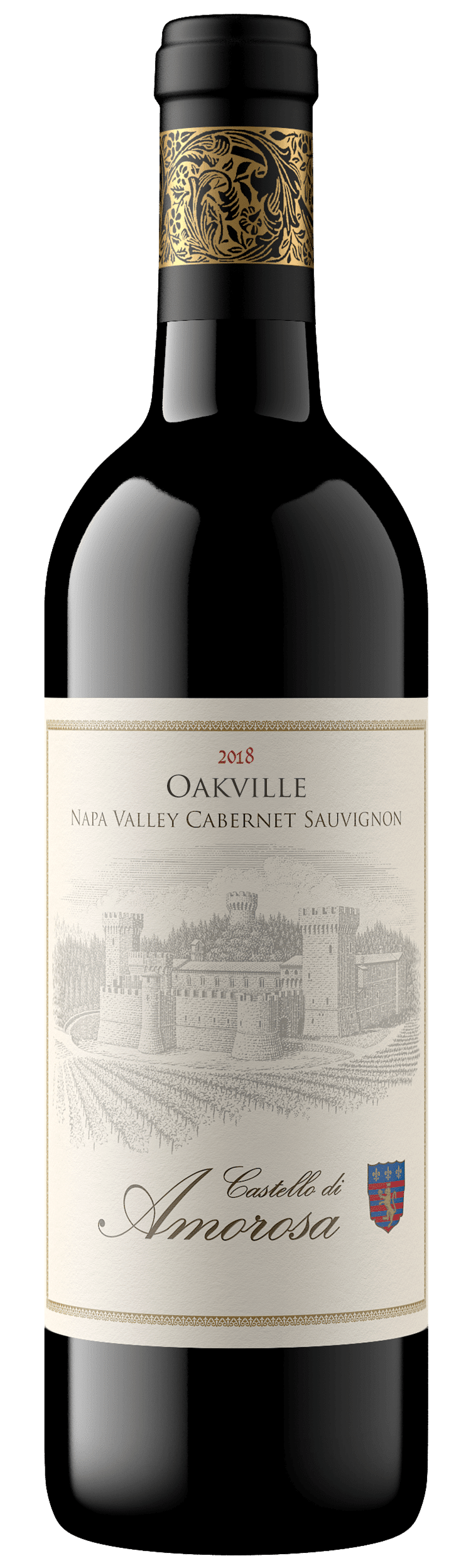
2018 OAKVILLE
Cabernet Sauvignon
Napa Valley
This limited production Cabernet Sauvignon showcases opulent dark cherry, blackberry, spice box, and espresso notes. Supported by silky tannins and a rich mouthfeel, it evolves beautifully with time, revealing deeper layers of complexity.
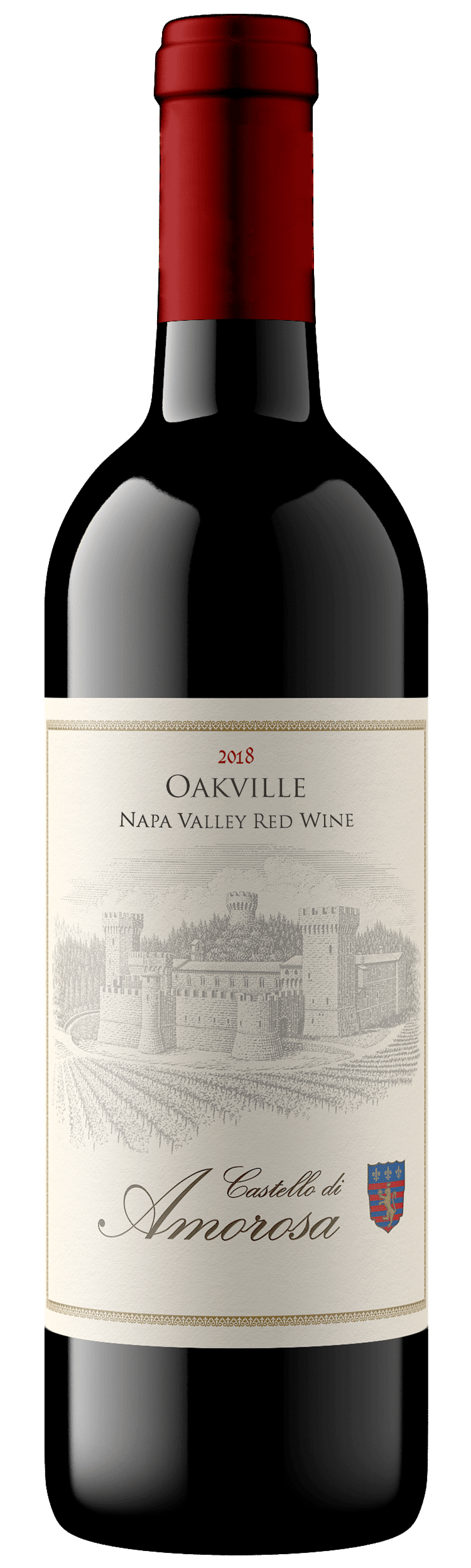
2018 OAKVILLE
Red Blend
Napa Valley
This Bordeaux-style blend is approachable and refined, offering layers of dark fruit, licorice, black currant, anise, and vanilla. A limited production wine from one of the most respected regions in the world.